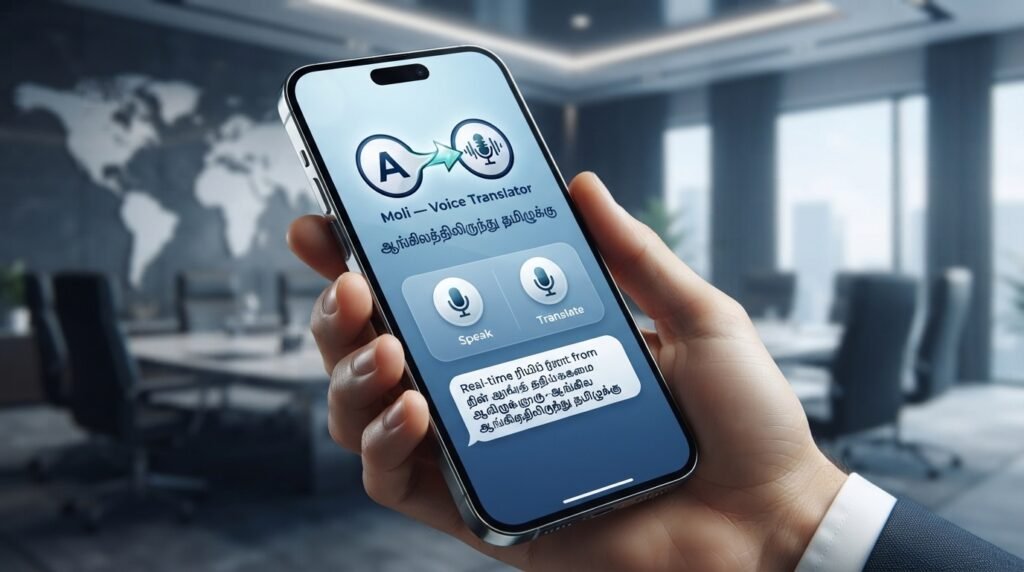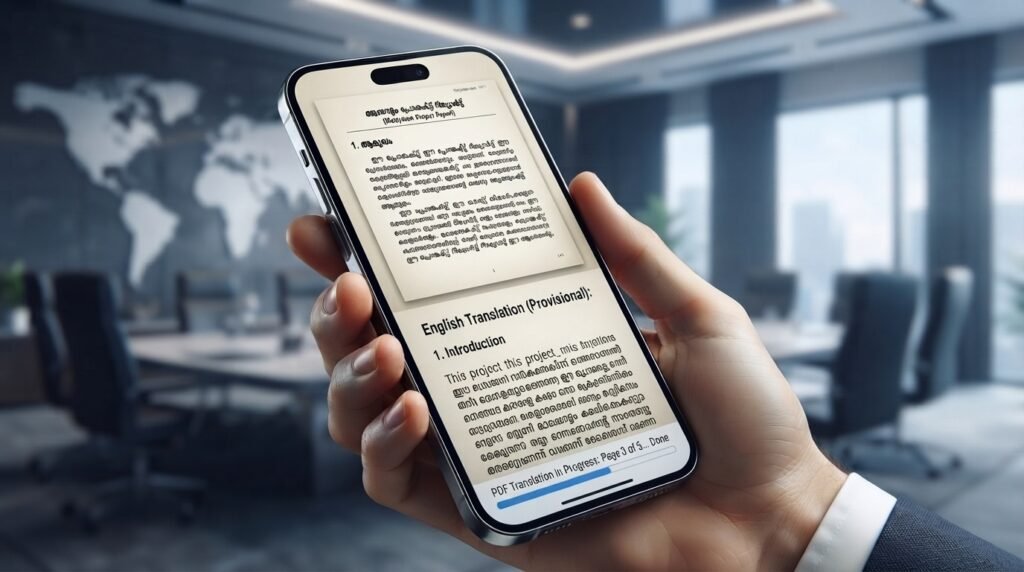
Finding a reliable tamil translator can feel like searching for a needle in a digital haystack. Whether you’re translating a legal document, a business proposal, or a personal letter, the stakes are high. A single mistranslated word can change an entire meaning, costing you time, money, or even a relationship. This guide cuts through the noise, offering a clear, practical path to finding the perfect translator for your specific needs—whether that’s a human expert or a powerful AI tool.
Quick Answer: The best Tamil translator depends on your content. For creative, legal, or emotional content, a professional human translator is essential. For quick, everyday translations, AI tools like Google Translate or DeepL offer speed and convenience. This guide helps you decide which one is right for you.
Understanding the Core Challenge: Why Tamil Translation Is Tricky
Tamil is not just another language—it’s one of the world’s oldest living languages, with a rich literary tradition and a complex grammar system. It has a diglossia problem, meaning the formal, written language is significantly different from the casual, spoken version. A translator who understands only one register will produce awkward or even incorrect results.
The Two Big Hurdles
- Grammatical Complexity: Tamil is an agglutinative language, where suffixes are stacked onto root words to convey meaning. A single verb can have dozens of forms. A machine translator might miss the nuance of a specific tense or mood.
- Cultural Context: Words carry cultural weight. For example, a direct translation of a business idiom might be nonsensical to a Tamil speaker. A good translator understands the intent behind the words, not just the literal meaning.
Pro Tip: Before you start, define the purpose of your translation. Is it for information (a quick email), for persuasion (a marketing brochure), or for legal binding (a contract)? The purpose dictates the translator you need.
Human vs. Machine: A Side-by-Side Comparison
The biggest decision you’ll make is choosing between a human professional and an AI tool. Each has clear strengths and weaknesses.
| Feature | Human Translator | AI Translation Tool (e.g., Google Translate) |
|---|---|---|
| Accuracy (Nuance) | Excellent for idioms, sarcasm, and cultural references. | Good for literal, straightforward text. Struggles with nuance. |
| Speed | Slow (hours to days). | Instant. |
| Cost | High (per word or per hour). | Low to free. |
| Context Awareness | High. Understands the document’s purpose and audience. | Low. Translates sentence-by-sentence, often missing the big picture. |
| Best For | Legal contracts, creative writing, emotional letters, marketing materials. | Simple emails, travel phrases, understanding a menu, getting the gist of a web page. |
Pro Tip: For a critical document, never rely on a single AI translation. Use it as a first pass, then have a human editor review and refine it. This hybrid approach combines speed with accuracy.
How to Vet a Professional Tamil Translator
If you decide you need a human, don’t just pick the first name on a freelance site. A good translator is a specialist, not a generalist.
The 3-Step Vetting Process
- Check Their Specialization: A literary translator is not the right person for a medical report. Look for a translator who has experience in your specific field. Ask for samples of similar work.
- Test Their Native Language: A translator should be translating into their native language. A native Tamil speaker will have a better feel for natural phrasing than a non-native speaker, even if the non-native speaker is highly fluent.
- Ask for a Short Test: Most professionals will do a short (50-100 word) test translation for free or a small fee. This is the single best way to assess their skill and style.
Pro Tip: Look for certifications from professional bodies like the American Translators Association (ATA) or similar organizations in your country. This provides a baseline level of quality assurance.
When to Use AI Translation Tools (and How to Do It Right)
AI tools are not the enemy. They are incredibly powerful for certain tasks. The key is knowing their limits.
Best Use Cases for AI
- Getting the Gist: You need to understand the main point of a Tamil news article or a social media post. Speed is more important than perfection.
- Simple Communication: Sending a short, factual email to a colleague. The risk of a major misunderstanding is low.
- Travel and Directions: Translating menus, street signs, or simple questions.
A Simple AI Workflow for Better Results
- Break It Down: Translate in short, complete sentences rather than long paragraphs.
- Use a Reputable Tool: Google Translate and DeepL (which now supports Tamil) are the current leaders. DeepL is often better for European languages, but Google is strong for Tamil.
- Verify with a Second Tool: If possible, run the same text through two different tools (e.g., Google Translate and Microsoft Translator). Compare the output and look for discrepancies.
Pro Tip: For AI translations, always provide context. If you’re translating “bank,” specify “financial institution” vs. “riverbank” in the source text. This dramatically improves accuracy.
Key Takeaways
- Context is king: The best Tamil translator depends entirely on your content’s purpose and audience.
- Human experts are irreplaceable for high-stakes, nuanced, or creative work.
- AI tools are excellent for speed and convenience but require careful use and verification.
- Always vet a professional translator by checking their specialization, native language, and requesting a test.
- Use a hybrid workflow (AI first pass + human review) for the best balance of speed and accuracy.
Frequently Asked Questions
Q: What is the best free Tamil translator?
A: Google Translate is the most widely used and generally the most accurate free option for Tamil. It supports text, voice, and image translation.
Q: Is Google Translate accurate for Tamil?
A: It is good for simple, straightforward text and getting the general meaning. However, it often struggles with complex grammar, idioms, and cultural nuances, making it unreliable for professional or legal documents.
Q: How much does a professional Tamil translator cost?
A: Rates vary widely based on experience and specialization, but a common range is $0.10 to $0.30 per word for standard translation from English to Tamil. Rush jobs or highly technical fields can cost more.
Q: Can I use an AI translator for legal documents?
A: No. AI translation tools lack the precision and understanding of legal terminology required for binding documents. A certified human translator is essential for legal, medical, and financial contracts.
Q: How do I find a certified Tamil translator?
A: You can search on professional platforms like ProZ.com or TranslatorsCafe.com, or check the directories of professional associations like the American Translators Association (ATA).
Q: What is the difference between translation and transliteration?
A: Translation converts the meaning of text from one language to another (e.g., “Hello” to “வணக்கம்”). Transliteration converts the script (e.g., writing “Vanakkam” in English letters). A translator does the former; a transliteration tool does the latter.
Q: How long does it take to translate a 1000-word document from English to Tamil?
A: A professional translator typically takes 1 to 3 business days for a 1000-word document, depending on the complexity and their current workload.
Q: What should I look for in a Tamil translation agency?
A: Look for agencies that offer a subject matter expert (SME) matching process, have a quality assurance (QA) step (like a second translator review), and provide a translation memory (TM) for consistency on large projects.
References & Further Reading
- American Translators Association. (n.d.). How to Choose a Translator. Retrieved from https://www.atanet.org/client-assistance/how-to-choose-a-translator/
- Google. (n.d.). Google Translate Help: Translate text, images, handwriting, or speech. Retrieved from https://support.google.com/translate/
- TranslatorsCafe.com. (n.d.). How to Find a Translator or Interpreter. Retrieved from https://www.translatorscafe.com/
About This Article: This guide was written by a content strategist specializing in language technology and cross-cultural communication. The advice is based on industry best practices and a practical understanding of both human and machine translation workflows.